OpenArt AI review 2026: pricing, credits and what you get
OpenArt AI pricing runs from $14 to $240 a month, with only about 40 trial credits free. Here's what each plan buys, how credits burn and who it suits.
 Written byRahis SaifiCo-founder and news editor
Why you can trust The AI Future
Our writers research every product from its official pages, independent tests and user reports, link each claim to its source and correct mistakes openly. Unless an article says otherwise, we haven't tested the product hands-on ourselves. Companies can't pay for coverage or see reviews before they're published.
Read our editorial policy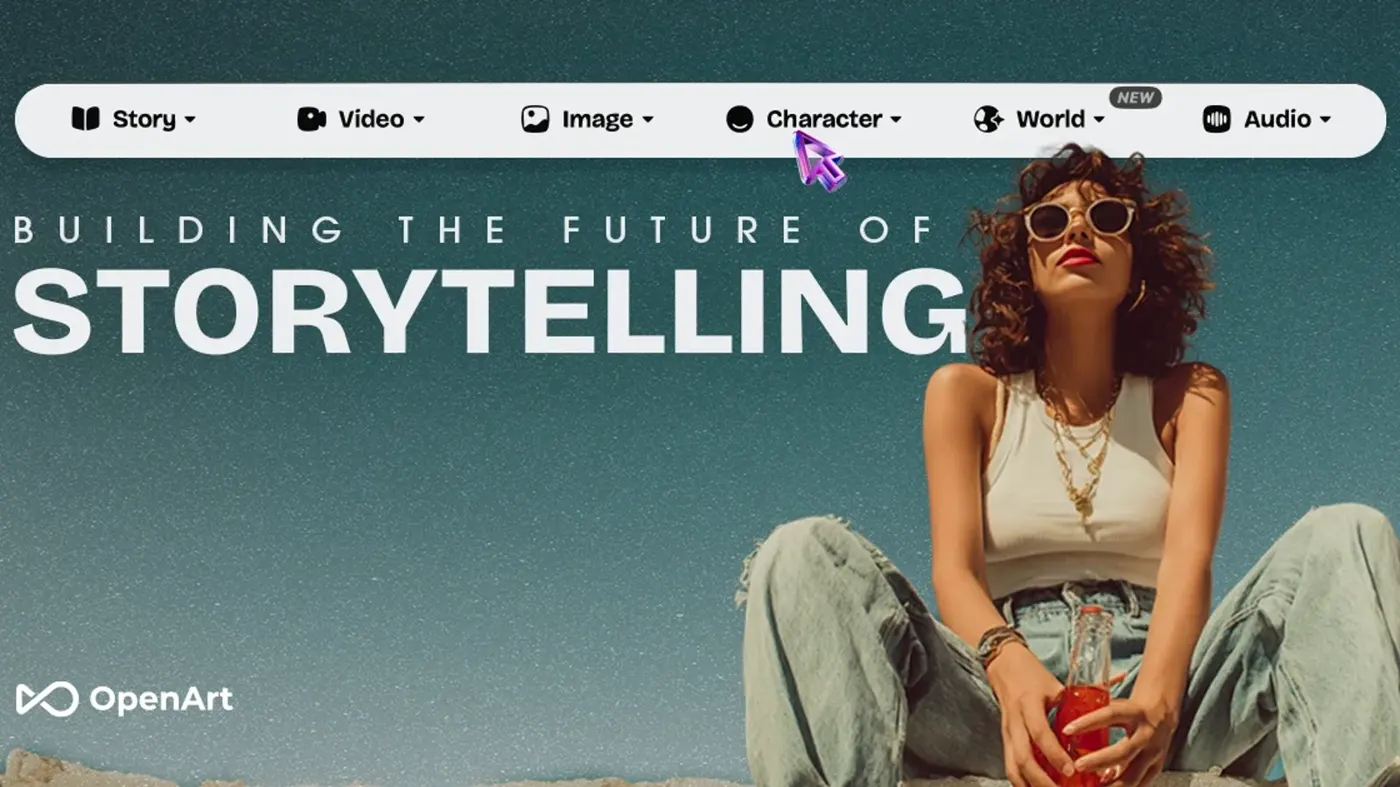
Our verdict on OpenArt AI
OpenArt suits image-heavy creators who want many models and consistent characters in one place, ideally on Plus or higher. Video-first users on a budget, and anyone who needs predictable bills or refunds, should probably look elsewhere.
Pricing Free trial (about 40 one-off credits); Starter $14/mo ($13 annual); Plus $34/mo ($27 annual); Pro $56/mo ($44 annual); Wonder $240/mo ($175 annual); per seat. Add-ons $15 per 5,000 credits (Plus and up)
Visit OpenArt AIOpenArt AI pricing starts at $14 a month for the Starter plan, or $13 a month if you pay for a year, and runs up to $240 a month for Wonder. There's no real free plan, just a small pile of trial credits when you sign up. I think it's a capable, crowded studio for AI art and video, but the credit system is the thing you'll need to understand before you pay.
Nobody at The AI Future ran hands-on tests for this review. Instead, I went through OpenArt's own plan and help pages, independent write-ups from Kingy and Aireiter, launch coverage from eWeek and around 20 recent Trustpilot reviews, all as of early November 2026. Where someone else did the testing, I say who.
OpenArt AI in brief
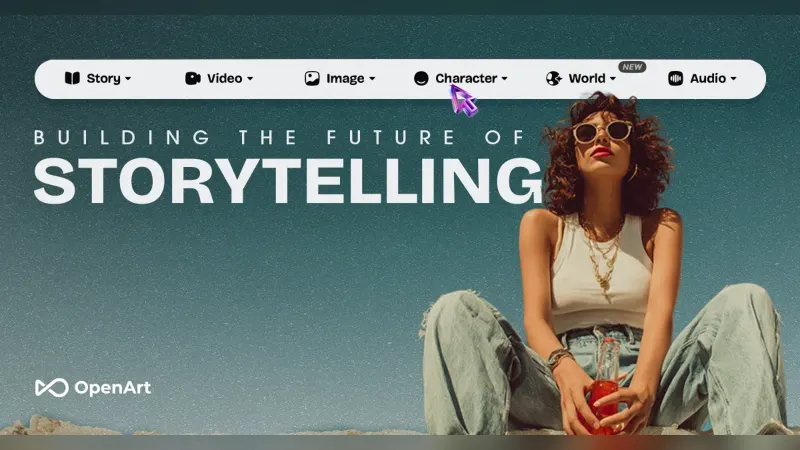
OpenArt is a browser-based studio that puts dozens of other companies' AI models behind one login. You type a prompt, pick a model and get an image, a video clip or a piece of music back.
It's an aggregator, so quality depends heavily on the model you choose.
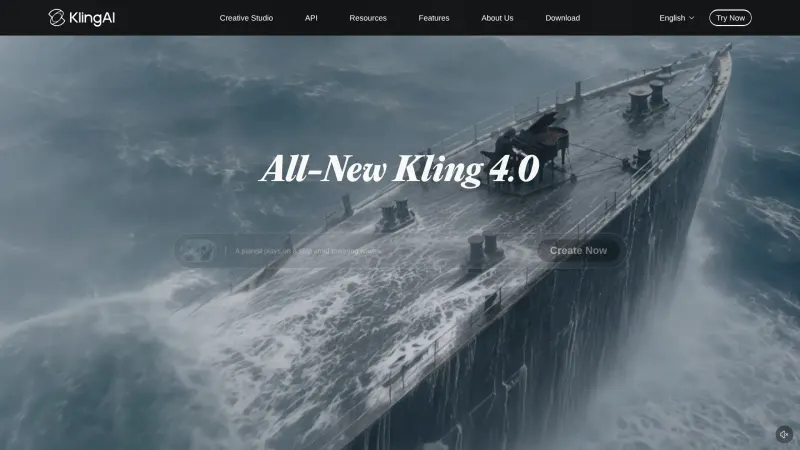
The company's help center lists image models such as Nano Banana Pro, Flux, Seedream and GPT Image, and video models including Kling, Veo, Seedance, Sora and Grok. The plans page rounds that up to "100+ premium image, video, and audio models". On top sit OpenArt's own layers: trained characters, consistent "worlds", a chat mode and Director, which builds longer videos scene by scene.
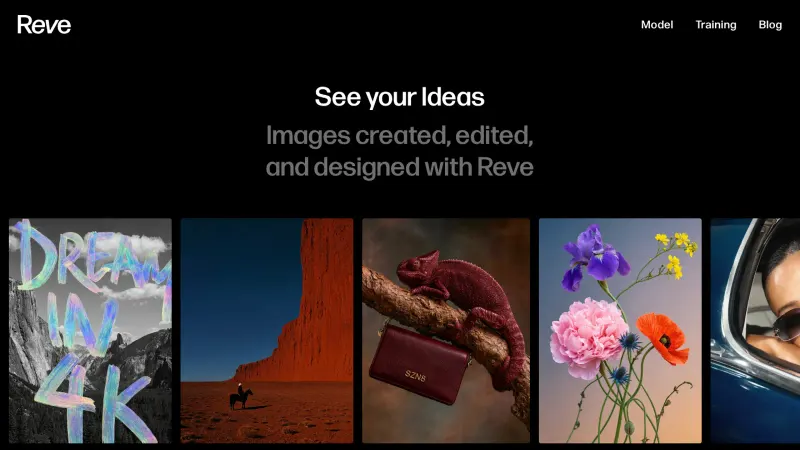
It's not small, either. OpenArt told eWeek it has 8 million monthly active users, and its CEO and co-founder is Coco Mao. (If you searched for "open art ai" or "open ai art", this is very likely the product you meant; it has nothing to do with OpenAI, though it does offer OpenAI's image models.)
Key features
Image generation from text and photos
The core job is text-to-image. You pick a model, write a prompt and generate. The home screen also lists Edit Image, which changes an existing picture with AI, and Frame to Video, which animates a still.
That makes OpenArt a reasonable AI art generator from photo uploads too, as long as you're editing your own pictures or ones you have rights to. I'd treat the model menu as the real feature here. Aireiter's review says image quality "varies substantially from model to model", which matches what you'd expect from a tool that resells other labs' work. If you're new to writing prompts, our AI art prompt guide covers the basics, and our list of AI image from photo tools gives you other options for that specific job.
Consistent characters
Characters are the reason a lot of people stay. You train a character once and reuse it across images and videos, so the same face turns up in scene after scene. The number you can keep depends on your plan: roughly 13 on Starter, 40 on Plus, 80 on Pro and 353 on Wonder, according to the current plan cards.
Aireiter reports that characters need two or three reference images and that custom model training can cost roughly 500 to 2,000 credits a run. That's a big chunk of a 4,000-credit Starter month.
Video and Director
Video is where OpenArt has pushed hardest this year. Director, which Kingy dates to June 23, 2026, takes an idea, turns it into a storyboard and lets you revise individual scenes by chatting with it. OpenArt told eWeek that Director can make videos up to five minutes long, with voices, music and sound effects included.
Honestly, the conversational revision loop sounds like the most useful idea in the product. The catch is cost. Kingy points out that the plan page's video estimates explicitly exclude Director, so you can't tell from the pricing how many Director projects a month of credits will cover. I'd call that a real gap, not a footnote.
Audio, chat and MCP
OpenArt also generates music and voice clones for narration, and it has a One Click Story feature for music videos and explainers, going by the help pages. A chat mode on the home screen runs on a GPT model. Every paid plan includes access to OpenArt MCP, which lets you call its tools from your own AI agent. Most casual users won't touch that, but it's a nice extra for developers.
OpenArt AI pricing and credits
Here's what OpenArt's plans looked like in early November 2026. The monthly prices are the struck-through figures on the page; the lower numbers are per seat per month on annual billing, which Aireiter confirms in its plan table.
| Plan | Monthly | Annual (per month) | Credits a month | Est. videos | Parallel jobs | Commercial use |
|---|---|---|---|---|---|---|
| Free trial | $0 | $0 | About 40, one-off | None realistic | n/a | No |
| Starter | $14 | $13 | 4,000 | Up to ~50 | 8 | Not listed |
| Plus | $34 | $27 | 12,000 | Up to ~150 | 16 | Yes |
| Pro | $56 | $44 | 24,000 | Up to ~300 | 32 | Yes |
| Wonder | $240 | $175 | 106,000 | Up to ~1,300 | 32 | Yes, plus priority support |
Prices checked 7 November 2026. Every paid tier is watermark-free and includes Director. Pro and Wonder also get time-limited model discounts: the page was offering 30% off GPT Image 2.6 generations until November 17 and 50% off Kling 4.0. For teams, PricingSaaS recorded a Business plan at $496 in its November 7 capture, and the help center mentions a separate Team Plan with shared billing and assets.
The free trial
Only to try. New accounts get a one-off batch of trial credits. Aireiter describes it as a "40-credit free trial", and a Trustpilot reviewer wrote on 6 November 2026 that they "received 40 credits" and spent them all in the chat before any video appeared.
Forty credits buys a handful of images at most. It won't get you a video.
Credit costs per image and video
Credits are the real price. OpenArt's help center puts image generation at 5 to 50 credits depending on model and resolution, and video at 100 to 800 or more. That surprised me, because the plan cards promise "up to ~4,000 images" from 4,000 credits, which only works if you stick to the cheapest one-credit models.
A few rules matter. Monthly credits refill on your billing date and don't roll over. Add-on credits come in blocks of 5,000, renew monthly, do roll over and get used before your plan credits. Aireiter says add-ons cost $15 a month per block and now need Plus or higher, so Starter users can't top up mid-month.
Wonder adds "Unlimited Creation". There's fine print, though: busy accounts may be moved to a slower queue, and unusual or automated activity can get unlimited generation paused, per the same help pages.
Cancelling and refunds
You can cancel any time and keep access until the period ends, but OpenArt says you should cancel at least five days before renewal to avoid the next charge. It's also blunt about refunds: it's "generally unable to issue refunds for completed generations or active subscription periods". Failed or cancelled generations get their credits back automatically, going by the same help pages.
Performance and independent testing
I couldn't find a large, controlled benchmark of OpenArt itself, which makes sense: it runs other companies' models, so output quality is mostly theirs. What independent reviewers judge is the wrapper, meaning the pricing, credit burn and reliability of the tools around those models.
Aireiter's August 2026 verdict was split, calling OpenArt "worth it for image-first creators at the Plus tier, risky for video-first users on a budget". It also notes that the old Essential, Advanced and Infinite plans are gone and the flat 50% annual discount with them; Wonder's annual price rose from $120 to $175 a month. Aireiter quotes FreemiumVisuals, which scored the platform 4.3 out of 5 but gave credit transparency 3.2.
Kingy's source-led audit, which openly says it used no account or paid plan, likes Director's scene-by-scene revision but won't recommend a plan "until Director's real credit burn and export fidelity are measured". That's a fair position, I think.
On Trustpilot, OpenArt holds a 3.5 out of 5 TrustScore from 1,702 reviews, with 53% five-star and 31% one-star. That split is telling. The recent one-star reviews I read mostly describe video prompts being ignored while credits drain, plus billing fights; one UK reviewer on page two says they were charged $56 after cancelling auto-renewal. The positive ones are often short notes thanking support staff by name.
Best suited to
OpenArt probably suits people who make a lot of still images, want access to many models without juggling five subscriptions, and need the same character to appear again and again. Social media creators, small marketing teams and comic or storyboard artists fit that profile. If you'll sell the work, budget for Plus at least, because Starter's card doesn't list commercial rights.
It's a weaker fit for anyone who mainly wants long AI videos on a tight budget. At 100 to 800 credits a clip, Starter's 4,000 credits won't go far, and Director's real cost isn't published. People who need refunds or predictable bills should also think twice.
Alternatives to OpenArt AI
- Leonardo AI is the closest match for image work and has a daily free allowance, so it's the one I'd try first if the 40-credit trial feels too stingy.
- Higgsfield AI leans much harder into video, with film-style camera controls, so it's probably the better pick if clips matter more to you than stills.
- Adobe Firefly (see our Adobe Firefly review) makes the most sense if you already live in Photoshop and other Adobe apps.
For a longer list, see our OpenArt AI alternatives roundup or the wider ranking of the best AI image generators.
Verdict
OpenArt is a good one-stop shop if you want lots of image models, consistent characters and a video tool under a single bill. I'd go for Plus on annual billing ($27 a month) if you make images regularly, because that's where commercial rights and top-up credits start. Video-first users should hold off. Until OpenArt publishes what Director actually costs per project, I think you're paying for a meter you can't read, and the refund policy won't help if it runs fast. My rating: 3.5 out of 5.
FAQ
Is OpenArt AI free?
Not really. You can sign up for free and you'll get a small one-off batch of trial credits (about 40, per Aireiter and recent Trustpilot reviewers), but ongoing use needs a paid plan from $14 a month, or $13 a month billed yearly.
How much does OpenArt AI cost?
Starter is $14 a month, Plus $34, Pro $56 and Wonder $240. Annual billing drops those to $13, $27, $44 and $175 a month per seat. Prices were checked on 7 November 2026.
How many credits does an image or video cost on OpenArt?
OpenArt says images cost 5 to 50 credits and videos 100 to 800 or more, depending on the model, length and resolution. The exact cost shows next to the Generate button before you click.
Do OpenArt credits roll over?
Monthly plan credits don't. Add-on credits, sold in blocks of 5,000, do roll over to the next month and are spent first.
Can I use OpenArt images commercially?
Commercial use rights are listed on Plus, Pro and Wonder. Starter's plan card doesn't mention them, so check the terms before you sell anything made on it.
Is OpenArt the same as OpenAI?
No. OpenArt is a separate company. It offers some OpenAI image models, such as GPT Image, alongside models from Google, Black Forest Labs, Kuaishou and others.
Can I get a refund from OpenArt?
Generally not for completed generations or a subscription period that's already started, going by OpenArt's help center. Credits for failed or cancelled generations are returned automatically, and you should cancel at least five days before renewal.
Ratings around the web
Ratings as of 12 Nov 2026. Scores change over time; follow the links for the latest.
What users are saying
We read about 20 recent Trustpilot reviews (mid-October to early November 2026) plus Trustpilot's own summary of 1,476 reviews and the single Capterra review. Positive reviews mostly praise fast, helpful support and an easy interface, while negative ones centre on credits burned by video generations that ignore prompts and on billing and refund disputes, so this small sample skews more negative than the 3.5 TrustScore.
Common praise
- Responsive support that fixes billing and technical issues
- Easy, fast interface for images and video
- Many models in one place
Common complaints
- Video prompts ignored while credits drain
- Charges after cancelling and no refunds
- Free trial credits used up before a video is made
Based on: Trustpilot reviews of OpenArt, Trustpilot reviews of OpenArt (page 2), Trustpilot reviews of OpenArt (page 3), Capterra reviews of OpenArt
What we like
- 100+ image, video and audio models, including GPT Image, Flux, Nano Banana Pro, Kling, Veo and Sora, under one subscription
- Trained characters stay consistent across images and videos, with up to ~353 slots on Wonder
- Director builds videos up to five minutes long and lets you revise scene by scene through chat
- Every paid plan is watermark-free and includes Director and OpenArt MCP
- Add-on credits roll over, unlike monthly plan credits
What could be better
- Free access is only about 40 one-off trial credits, not enough for a video
- Credit costs vary from 5 to 800+ per job, and plan video estimates exclude Director
- Commercial rights and add-on credits start at Plus, not Starter
- No refunds for completed generations or active periods, and Trustpilot shows frequent billing complaints