Why is 'Apple AI pin' trending? What's confirmed and what's rumour
Leaks described an AirTag-sized Apple wearable with cameras for Siri. Apple's never announced it, and the latest report says it's on hold.
 Written byRahis SaifiCo-founder and news editor
Why you can trust The AI Future
Our writers research every product from its official pages, independent tests and user reports, link each claim to its source and correct mistakes openly. Unless an article says otherwise, we haven't tested the product hands-on ourselves. Companies can't pay for coverage or see reviews before they're published.
Read our editorial policy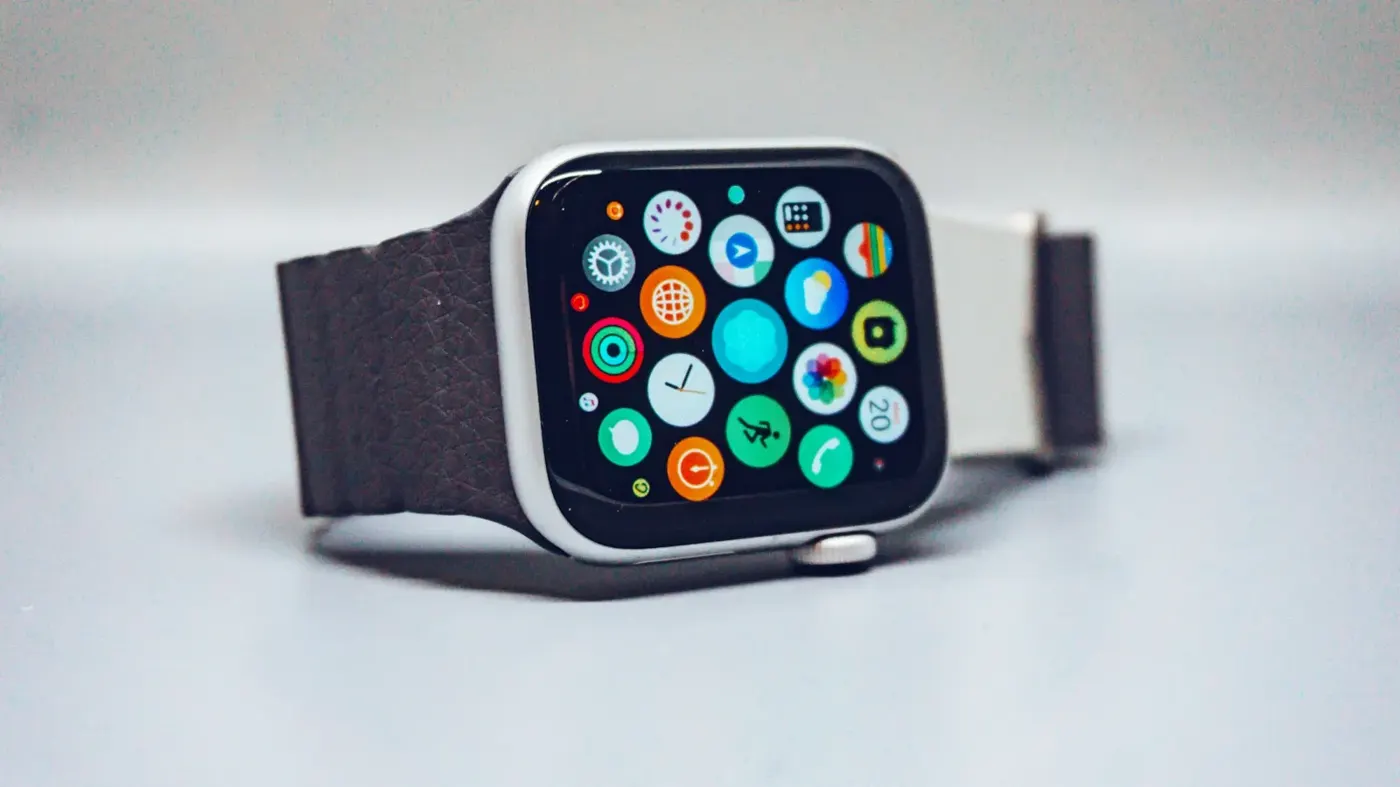
People are searching "Apple AI pin" because of a run of leaks about an AirTag-sized, camera-equipped wearable that would feed what it sees and hears to Siri. The catch is that Apple itself hasn't announced, shown or even acknowledged any such product. The most recent report, from September 22, says the project's been put on hold, so I'd treat the pin as a shelved prototype, not something you'll be buying soon.
That gap between the buzz and the facts is what this piece is about. I'll separate what's confirmed from what's rumoured, and say where I land.
In brief
The "Apple AI pin" is trending because several outlets reported that Apple was building a small clip-on or pendant device with cameras and microphones, and later that it had paused the work. None of it's official. Apple's only shipping "AI wearable" right now is the Apple Watch Series 12, which Apple sells with the line "Say hello to Siri AI."
The background: four reports in nine months
The story started on January 21, when The Information reported that Apple was developing a pin roughly the size of an AirTag. The details were specific: a thin, flat, circular disc with an aluminium-and-glass shell, two front cameras (one standard, one wide-angle), three microphones, a speaker, a physical button on the edge and magnetic charging like an Apple Watch. The same report said development was in "very early stages" and the device "could still be canceled". That second part got far less attention than the camera specs, which is pretty typical.
Bloomberg's Mark Gurman then described a slightly different device in February. In his version the pin has a low-resolution, always-on camera meant to give Siri context, not to take photos. It's sold as an iPhone accessory, runs on a modest chip similar to the one in AirPods, and leaves most of the processing to the phone. Some Apple staff reportedly called it the "eyes and ears" of the iPhone. Whether it would even have a speaker was undecided.
Here's the timeline in one place, because the dates matter more than any single spec.
| Date | Source of the claim | What was claimed | Status |
|---|---|---|---|
| January 21 | The Information | AirTag-sized pin with two cameras, three mics and a speaker; launch "as early as 2027" | Rumour |
| February 17 | Bloomberg | Pin is one of three AI wearables, alongside smart glasses and AirPods with cameras; low-res camera for Siri only | Rumour |
| Early May | Bloomberg | Still in development, could launch as soon as 2027 | Rumour |
| September 22 | Bloomberg | Pendant project postponed; focus shifts to Watch, AirPods with cameras and glasses | Rumour |
| Any date | Apple | Nothing announced about a pin or pendant | Confirmed silence |
So the two main sources didn't even agree on what the camera was for. That's normal for early hardware leaks, and it's a decent reminder that a prototype can change shape several times before it's killed or shipped.
Apple does already ship the software idea behind the pin. Visual Intelligence on iPhone lets you point the camera at a restaurant, a plant or a sign and get details, translations or summaries, and it needs an iPhone 15 Pro, iPhone 16 or later. The rumoured pin was essentially that feature, moved off the phone and onto your shirt.
Real examples: AI pins that came before
Apple wouldn't be first, and the earlier attempt went badly. Humane's AI Pin cost $700, could project a simple interface onto your palm, and was criticised for slow answers and short battery life. It reportedly sold fewer than 10,000 units before parts of the company were sold to HP for $116 million.
The obvious difference is that Humane tried to replace the phone. Every Apple report describes an accessory that leans on the iPhone you already own, which I think is the smarter bet, if there's a bet worth making at all.
Then there's OpenAI. Its first device, designed with Jony Ive's team, was once expected this year and has reportedly slipped to 2027 (our OpenAI review covers where the company stands); rumours describe it as a small, pocket-sized gadget that isn't worn. Meta, meanwhile, has had real if modest success with camera glasses (you can see how its assistant compares in our Meta AI vs ChatGPT breakdown). Glasses seem to be winning the early argument over pins.
Benefits and limitations
On paper, the appeal is easy to see. You could ask Siri "what's this building?" without pulling out your phone, set a reminder from a poster you walk past, or get help while your hands are full. For people with low vision, a camera that describes the room could be properly useful.
The problems are just as clear.
- An always-on camera clipped to your chest raises obvious privacy questions for everyone around you, not just the wearer.
- Without a screen, and possibly without a speaker, answers would have to go to your phone, Watch or AirPods anyway.
- A low-power chip means the iPhone does the heavy lifting, so battery drain shifts to your phone.
- It overlaps with two products Apple is reportedly pushing harder: AirPods with cameras and smart glasses.
That last point is probably why it stalled. If AirPods can carry a small camera and glasses can see what you see, a separate disc on your jumper starts to look like the odd one out. Honestly, I'd be surprised if it came back in its January form.
Practical takeaways for you
Don't wait for this product. There's no announcement, no price and, as of the latest report, no active schedule.
If you want hands-free AI now, you've got real options: Visual Intelligence on a recent iPhone, Siri AI on the Apple Watch Series 12, or camera glasses from other brands. Our roundup of the best AI wearables compares what's actually on sale. And if your interest is the assistant more than the hardware, the chatbot underneath matters most; we've looked at Gemini vs ChatGPT for that reason, since the new Siri reportedly builds on Google's Gemini.
One habit worth keeping: when you see "Apple to launch" in a headline, check whether Apple said it. In this case, it never did.
Next steps to watch
I'd watch three things. First, any camera-equipped AirPods, which Bloomberg has tipped for 2027; if they arrive, they'll do much of what the pin promised. Second, Apple's smart glasses, also reportedly aimed at 2027. Third, Apple's own Newsroom, which is where a real product would appear first; it's lately been busy with things like a new AI health research study, not pendants.
Could the pin come back? Possibly, since early hardware projects do get paused and picked up again. But I don't think it's worth planning around, and I'd guess the next "Apple AI pin" headline will be about AirPods.
FAQ
Why is 'apple AI pin' trending?
Because a series of leaks described an AirTag-sized Apple wearable with cameras and microphones that talks to Siri, and a September report said Apple had paused it. Each new report and each "is it real?" article sends people searching. Apple hasn't announced anything.
Why is apple AI pin trending right now if it's on hold?
Searches tend to linger after a story like this, especially as Apple pushes Siri AI on the Watch and rumours about its glasses and camera AirPods keep coming. I can't point to one new pin report this week; the latest substantive news is still the September postponement.
Why is apple AI pin trending in 2026, and will it launch next year?
The trend comes from reports through the year, which first said it could launch as soon as 2027. Since the project's now reportedly postponed, a 2027 launch looks unlikely, and there's no official date.
Has Apple confirmed an AI pin?
No. There's no press release, product page or executive comment about a pin or pendant. Everything about its design comes from unnamed sources quoted by The Information and Bloomberg.
Is it the same as the Humane AI Pin?
No. Humane's $700 pin was a standalone device from a different company, and parts of Humane were later sold to HP. Apple's rumoured pin would have been an iPhone accessory with most processing done on the phone.