AI assistant comparison: Google vs other AI in 2026
Gemini vs ChatGPT, Claude, Copilot, Siri, Alexa+ and Meta AI: which assistant fits your phone, home, budget and privacy needs in late 2026.
 Written byRahis SaifiCo-founder and news editor
Why you can trust The AI Future
Our writers research every product from its official pages, independent tests and user reports, link each claim to its source and correct mistakes openly. Unless an article says otherwise, we haven't tested the product hands-on ourselves. Companies can't pay for coverage or see reviews before they're published.
Read our editorial policy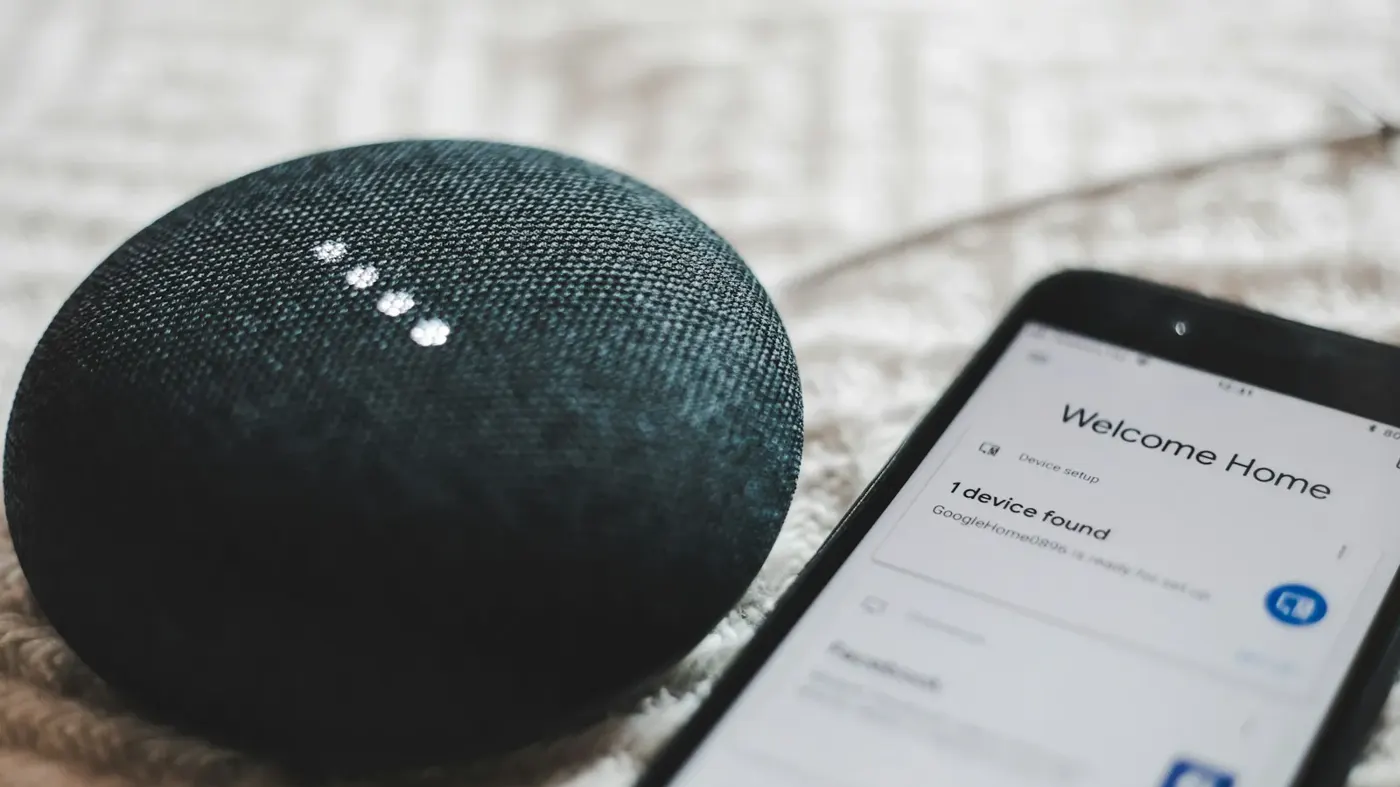
Here's the short version of this AI assistant comparison, Google vs other AI: Google now has the widest reach, because Gemini runs your Android phone, your Nest speakers and your Gmail, but it isn't the clear winner on every job. ChatGPT is still the easiest general-purpose app to recommend, Claude has the edge for writing and judgement calls, and Alexa+ and the new Siri make more sense if you already own Amazon or Apple hardware. Meta AI is the free pick if you live in WhatsApp.
The AI Future didn't test these assistants hands-on. This piece compares them using official plan pages, privacy notices, release coverage and published side-by-side tests by other outlets, as of late October 2026. Where someone else ran the test, they're named.
Model scores are covered separately. If you want benchmark tables, read our Google Gemini vs other AI models performance breakdown, which runs alongside this one.
Quick verdict: who wins for which use case
- Android phone owners: Gemini. It's taking over from Google Assistant on supported phones from September 4, 2026, and the switch is permanent, ETV Bharat reported.
- iPhone owners: Siri. The rebuilt Siri in iOS 27 is free on the iPhone 15 Pro and newer, and it runs on Apple models built with Google's Gemini team.
- Smart home: a close call between Gemini for Home and Alexa+. Alexa+ is free with Prime; Google's best home features need a Home Premium plan from $10 a month.
- Everyday questions on any device: ChatGPT. Its free plan includes unlimited everyday text chats.
- Writing, planning and decisions: Claude, which won four of five rounds in one Tom's Guide test against ChatGPT.
- Free help inside social apps: Meta AI, though its chats can now shape the ads you see.
Our take: I don't think there's a single best assistant in late 2026. The phone you carry probably picks your voice assistant for you, and the real choice is which chatbot you add on top.
Side-by-side comparison table
| Assistant | Maker | Where it lives | Free version | Main paid plan (US) |
|---|---|---|---|---|
| Gemini (app, Android, Google Home) | Android phones, Wear OS, Nest speakers and displays, Gmail and Docs | Yes (Flash-Lite model) | Google AI Pro, $19.99/month | |
| ChatGPT | OpenAI | Web, iOS, Android, Mac and Windows apps | Yes (GPT-6 Luna) | Plus, $20/month |
| Claude | Anthropic | Web, iOS, Android and desktop apps; Chrome and Microsoft 365 add-ins on paid plans | Yes (Sonnet and Haiku) | Pro, $20/month or $17/month billed annually |
| Copilot | Microsoft | Copilot app, Windows, Word, Excel, Outlook | Yes | Microsoft 365 Premium, $19.99/month |
| Siri | Apple | iPhone, iPad and Mac (iOS 27 and macOS 27) | Yes, built in | None |
| Alexa+ | Amazon | Echo devices, Alexa app, Alexa.com, Fire TV | Limited web and app chat | Included with Prime; $19.99/month without it |
| Meta AI | Meta | WhatsApp, Instagram, Facebook, Messenger, AI glasses | Yes | Meta One Premium, $19.99/month (test markets only) |
Prices checked October 2026. Sources are linked in the sections below.
Features compared
Gemini on Android: the default, like it or not
Google started switching Android phones from Google Assistant to Gemini on September 4, according to ETV Bharat, which cited emails Google sent to users. You still say "Hey Google" or hold the power button. Once the change lands, there's no going back to the old assistant. Connected Wear OS watches, tablets and supported earbuds follow the phone's choice automatically.
That matters more than any benchmark. Most Android owners won't install a rival, I'd guess, so Gemini becomes their assistant by default. The app also connects to Gmail, Docs and Drive, which our Gemini AI vs ChatGPT comparison covers in more detail.
Gemini for Home: free upgrade, paid extras
On speakers and displays, Gemini for Home replaces Google Assistant on devices Google has shipped since 2016, The Gadgeteer reported in June. The basic upgrade is free. You get follow-up questions without repeating "Hey Google" and multi-step commands such as adding eggs and removing milk from a list in one go.
The better parts cost money. Gemini Live on speakers, complex automations and smarter camera history search need Google Home Premium: Standard is $10 a month and Advanced is $20. Opting a home in is also one-way, and only four Google devices (Nest Hub 2nd gen, Nest Audio, Nest Mini 2nd gen and Nest Hub Max) get the full voice experience with Gemini Live. The new Google Home Speaker costs $99.99.
One detail I like: Google bundles Home Premium into its AI plans. Looking at Google One's plan list, AI Pro includes Home Premium Standard and AI Ultra includes Advanced. If you'd pay for both anyway, that's a real saving.
Siri in iOS 27: Apple's assistant, Google's help
Apple released iOS 27 on September 14 with a rebuilt Siri. It now runs as a standalone app with chat history, holds context across a conversation and was built "using a mix of its own Foundation Models alongside Google's Gemini AI," per the Free Press Journal.
There are limits. Siri AI needs an iPhone 15 Pro or newer, and the EU and China were left out at launch, AI Weekly reported, summarising Engadget.
Apple's Private Cloud Compute is also expanding to Google Cloud on Nvidia hardware. So, oddly, "Google vs Siri" is now partly Google vs Google.
Alexa+: the home assistant that bundles with shopping
Alexa+ rolled out to all US Prime members on February 4, 2026, at no extra cost, MacRumors reported. It runs on models from Amazon Nova and Anthropic. It can order takeout, book restaurants and rides, schedule home repairs and work with Ring cameras.
That's a longer list of real-world actions than Gemini for Home advertises. Amazon's own shop and services are the reason.
ChatGPT, Claude and Copilot: strong apps, weaker hooks into your phone
None of these three controls your phone or speaker the way Gemini, Siri or Alexa+ can. They're apps you open. ChatGPT is the broadest of them: free users get GPT-6 Luna and Plus users get GPT-6 Sol, according to Lindy's pricing breakdown.
Claude leans towards work. On Anthropic's plans page, Pro adds Claude in Chrome, Claude for Microsoft 365 and Outlook, Research and the Opus models, while every plan gets voice mode, memory and a context window of up to 1M tokens. Our Claude AI review goes further.
Copilot's pitch is Office. Paid Microsoft 365 plans put it inside Word, Excel, PowerPoint and Outlook; the free app gives you chat, web answers, images and voice, per GeoToolbox's plan guide.
Meta AI: free, everywhere you chat
Meta AI sits inside WhatsApp, Instagram, Facebook and Messenger, so there's nothing to install. Meta also sells a separate agent app, Muse, which our Meta AI vs ChatGPT comparison covers. For a quick question mid-chat, it's hard to beat on convenience.
Quality of output: what published side-by-side tests show
We didn't run our own prompts. Three published tests from the past two months give a fair picture, and each one compares a rival against ChatGPT, which works as a common yardstick.
In October, Atlas Cloud gave Gemini 4 Argon and GPT-6 Sol the same three prompts (a coding task, a strict plain-English rewrite and study notes with a planted date error). All three rounds ended in ties on quality, as our Gemini vs ChatGPT write-up details, though Argon used far fewer tokens.
Tom's Guide AI editor Amanda Caswell put Claude Opus 5.5 against ChatGPT-6 and Claude "came out ahead in four of the five tests." Asked to plan a three-hour children's party with a $150 budget, dietary limits and a rain backup, both produced workable plans, but she said Claude did better at "thinking through what hosting the party would actually be like." ChatGPT won on structured plans and on teaching a new subject.
Caswell also ran Meta Muse against ChatGPT-6 with five everyday prompts. Meta won 3-2. Its text to a neighbour about blocking the driveway sounded friendlier, while ChatGPT's draft "reads like an HOA notice and slightly passive-aggressive," she wrote. ChatGPT took the family day out in New York, because Meta's budget maths assumed tri-state residency.
I couldn't find a published head-to-head of the same prompts across Siri, Alexa+ and Copilot. That's a real gap, so treat any ranking of those three on answer quality with caution.
Pricing compared
| Assistant | Free | Cheapest paid | Main paid plan | Higher tiers |
|---|---|---|---|---|
| Gemini | Yes | Google AI Plus, $4.99/month | Google AI Pro, $19.99/month (includes Home Premium Standard) | AI Ultra up to $199.99/month |
| Google Home Premium | Basic Gemini for Home free | Standard, $10/month | Advanced, $20/month | None |
| ChatGPT | Yes | Go, $8/month | Plus, $20/month | Pro from $100/month |
| Claude | Yes | Pro, $20/month ($17 billed annually) | Pro | Max and Ultra |
| Copilot | Yes | Microsoft 365 Personal, $9.99/month | Microsoft 365 Premium, $19.99/month | Business plans per user |
| Siri | Yes | None | None | None |
| Alexa+ | Limited web chat | Prime, $14.99/month or $139/year | $19.99/month without Prime | None |
| Meta AI | Yes | Meta One Plus, $7.99/month (test markets) | Meta One Premium, $19.99/month (test markets) | None |
Prices are US monthly rates before tax, checked October 2026. Sources: Google's Gemini plans, The Gadgeteer for Home Premium, Lindy for ChatGPT, Anthropic for Claude, GeoToolbox for Microsoft, TechRadar for Alexa+ and The Next Web for Meta. Claude's team plan costs $20 a seat billed annually, or $25 monthly.
The $20 band is crowded. Six of these companies charge about $20 a month for their main tier, so price alone won't separate them. What comes bundled will. Google adds storage and Home Premium; Microsoft adds Office apps and 1 TB of OneDrive per person; Amazon folds Alexa+ into Prime's other perks.
Alexa+ is the odd one. TechRadar pointed out that Prime is cheaper than Alexa+ on its own, and MacRumors called the standalone price something that "makes no sense for anyone since Prime is cheaper." I agree.
Copilot has a catch, too. Personal and Family plans cap the most common Copilot actions at 60 AI credits a month, and only the plan owner gets Copilot in Office apps, Office Watch explains.
Privacy compared
Privacy is where the Google vs other AI choice gets uncomfortable. Gemini keeps your activity for 18 months by default, and you can change that to 3 months, 36 months or indefinite, going by the Gemini Apps Privacy Hub. Human reviewers read a subset of chats, and reviewed chats are "retained for up to three years" even if you delete your activity. Turning off Keep Activity cuts storage of new chats to 72 hours.
ChatGPT also starts with training on, and keeps chats until you delete them; temporary chats last up to 30 days, Atlas Cloud found. Claude's plans page lists model training as opt-out on every consumer plan.
Meta goes furthest. Its updated privacy policy lets it use your Meta AI chats to personalise ads, and a coalition of 36 groups asked the FTC to investigate, Gizmodo reported. Meta's Muse agent is the exception: it "doesn't share a person's conversations or the data in their VM with Meta's ad systems," Meta says. If that bothers you, our guide on how to remove Meta AI from WhatsApp may help.
Apple's pitch is still privacy, with Siri requests handled on device or in Private Cloud Compute. The move of some of that compute to Google Cloud is new, though, and I'd guess privacy-minded iPhone owners will want more detail from Apple than they've had so far.
Reviewer and user verdicts on each
- Gemini for Home: early reviews are mixed. Wirecutter flagged hallucinations in the new Nest Cam AI features, The Gadgeteer noted, and it warned that switching a home over is "a real commitment."
- Siri: The Verge's first major hands-on found the Gemini-powered Siri "actually works," per AI Weekly's summary. Caswell's view is more measured: "Siri AI has come a long way," she wrote, but she still reaches for ChatGPT for quick everyday questions.
- ChatGPT: "The brevity of ChatGPT-6 means less fluff, which in my eyes is always a plus," Caswell wrote in the Claude comparison.
- Claude: her bottom line was that Claude is "the one I'd reach for when the task requires judgment," with one warning: "It's easier to hit your usage limit faster with Claude."
- Alexa+: PCWorld's smart home writer wrote that Alexa+ "can be both surprising and exasperating," sometimes guessing your intent correctly and sometimes going off on tangents.
- Copilot: Office Watch is blunt about Premium's "Extensive Use" allowance: it's "vague by design," and "not truly unlimited."
- Meta AI: after Meta won her test, Caswell wrote, "To say I'm both shocked and impressed is a serious understatement," while adding that "ChatGPT is still my go-to."
AI assistant comparison: Google vs other AI, which should you choose?
- Choose Gemini if you use an Android phone, Gmail and Google Docs. Google AI Pro at $19.99 is good value if you'd also use Home Premium Standard and the storage.
- Choose Gemini for Home or Alexa+ based on the speakers you already own. If you pay for Prime, Alexa+ costs nothing extra, which is hard to argue with.
- Choose Siri if you're on an iPhone 15 Pro or newer outside the EU and China. It's free, and it's built in.
- Choose ChatGPT as a general-purpose second assistant. Its free plan is still the most generous for everyday chat.
- Choose Claude for writing, planning and sorting through long documents, and budget for Pro if you use it daily.
- Choose Copilot if you already pay for Microsoft 365 and live in Word and Excel.
- Choose Meta AI for free, casual help in WhatsApp, and skip it for anything you'd rather not see reflected in your ads.
Honestly, I think most people will end up with two: the assistant their phone ships with and one chatbot app. That pairing probably beats paying $20 a month for a second voice assistant. For more ways to get better answers from any of them, see our guide to writing better prompts for ChatGPT, Claude and Gemini.
What happens next: Google is still moving Android users off Google Assistant, and Siri AI's extra languages and regions are rolling out in phases. I'd expect the phone half of this comparison to shift again by spring.
FAQ
Is Google Gemini better than other AI assistants?
It depends on the device. Gemini is the strongest choice on Android and in Google's apps, and it ties ChatGPT on quality in Atlas Cloud's three-prompt test. On an iPhone, Siri is built in, and for writing, Claude beat ChatGPT in Tom's Guide's test.
Has Gemini replaced Google Assistant?
Mostly. The Android switch began on September 4, 2026, Nest speakers are moving to Gemini for Home, and neither change can be undone.
Does the new Siri use Google Gemini?
Partly. Siri in iOS 27 runs on Apple's own Foundation Models, built in collaboration with Google's Gemini team, according to reports summarised by AI Weekly. It needs an iPhone 15 Pro or newer and wasn't available in the EU or China at launch.
Which AI assistant is free?
Siri is free on supported iPhones, and Gemini, ChatGPT, Claude, Copilot and Meta AI all have free plans. Alexa+ is free with Amazon Prime; without Prime you get a limited web chat or pay $19.99 a month.
Which AI assistant is best for privacy?
None is perfect. Claude lets you opt out of training on every consumer plan, and Gemini cuts storage to 72 hours when Keep Activity is off, though human-reviewed Gemini chats can be kept for up to three years. Apple keeps Siri requests on device or in Private Cloud Compute. Meta AI now uses chats to personalise ads, which in my view makes it the weakest choice for private conversations.