Pocket AI vs Plaud (2026): features, pricing and our verdict
Pocket AI vs Plaud NotePin and Note: device prices, free plans, subscriptions, call recording and what reviewers found, compared as of November 2026.
 Written byRahis SaifiCo-founder and news editor
Why you can trust The AI Future
Our writers research every product from its official pages, independent tests and user reports, link each claim to its source and correct mistakes openly. Unless an article says otherwise, we haven't tested the product hands-on ourselves. Companies can't pay for coverage or see reviews before they're published.
Read our editorial policy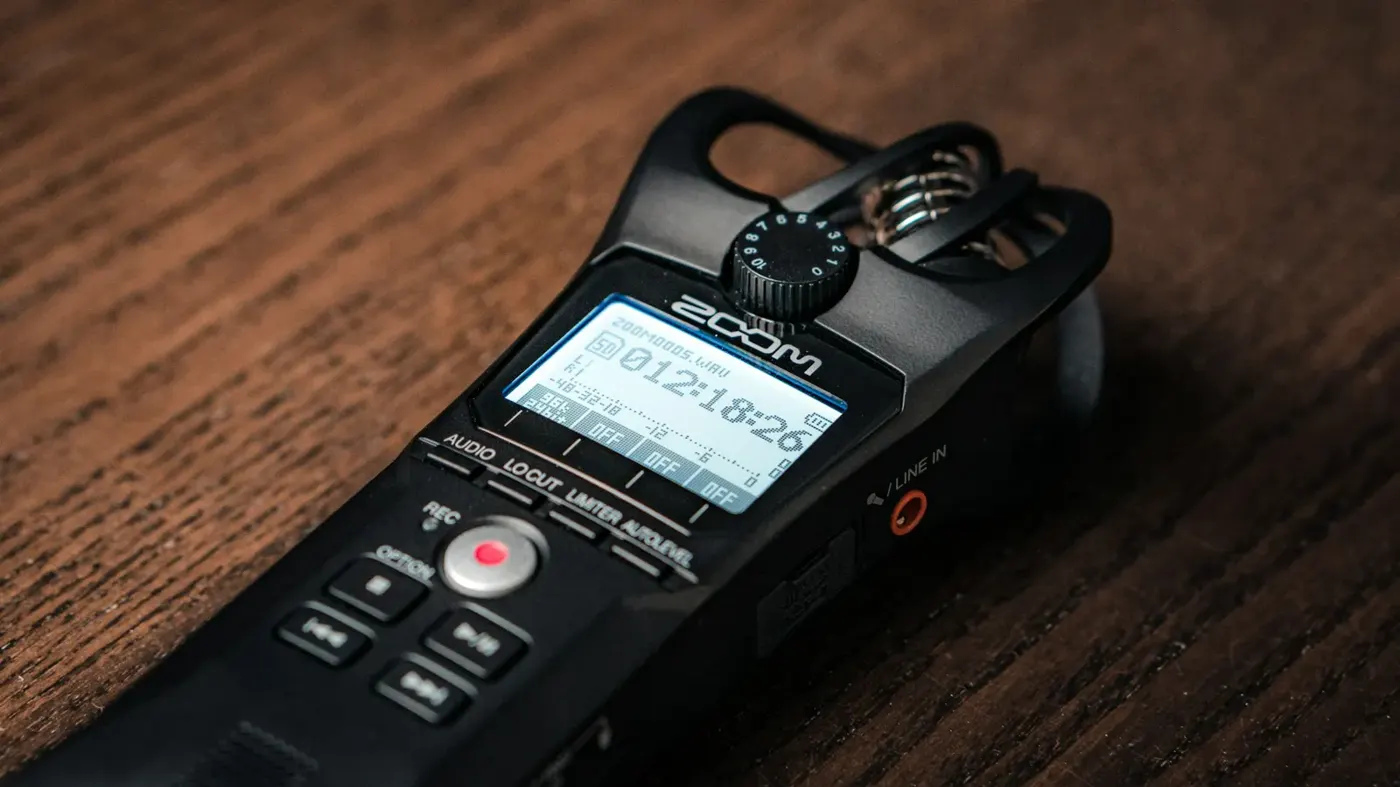
If you're weighing Pocket AI vs Plaud, the short answer is this: Pocket is the cheaper way in and gives you unlimited basic transcription for free, while Plaud's NotePin and Note cost a little more up front but are cheaper to run once you pay for a plan. For a student recording lectures on a budget, I'd lean Pocket. For anyone who needs speaker labels, long history and a clear security record without a $240 yearly bill, Plaud probably wins.
First, which Pocket? Searchers almost always mean the MagSafe recorder sold at heypocket.com by Open Vision Engineering, a San Francisco company. It isn't the old read-later app (Trustpilot even keeps a separate profile for getpocket.com). This comparison uses official pages, published hands-on reviews and user ratings as of early November 2026. Nobody at The AI Future tested either device.
Quick verdict
Pocket suits people who record a lot and won't pay a subscription. Its free plan keeps transcription unlimited, at what the company calls "standard accuracy", but summaries vanish after 30 days and Ask Pocket is capped at three chats a day.
Plaud suits people who want the full feature set on a smaller bill. Its free Starter plan caps you at 300 minutes a month. Even so, the paid Pro plan costs $99.99 a year, which is well under half of Pocket Pro's $239.88.
The NotePin, specifically, is a wearable. It clips to a shirt and records in-person talk hands-free, but it can't record phone calls. If calls matter, the card-shaped Plaud Note is the fairer rival to Pocket. Honestly, I think that detail trips up a lot of shoppers.
Pocket AI vs Plaud: side-by-side comparison table
Figures come from each brand's own pages, checked in early November 2026. Both companies run frequent discounts, so prices move.
| Spec | Plaud NotePin | Plaud Note | |
|---|---|---|---|
| Device price | $129 (list $199) | $159 | $159 |
| Form factor | Card, snaps on with MagSafe | Wearable pin, clip or wristband | Card, magnetic case |
| Phone call recording | Yes (contact mic) | No | Yes (vibration sensor) |
| Battery | Up to 4 days, depending on use | 20 hours recording, 40 days standby | 30 hours recording |
| Storage | 64GB | 64GB | 64GB |
| Languages | 120+ | 112 | 112 |
| Free transcription | Unlimited (standard accuracy) | 300 min/month | 300 min/month |
| Cheapest paid plan | $19.99/mo billed yearly ($239.88) | $99.99/yr or $17.99/mo | $99.99/yr or $17.99/mo |
Sources: Pocket's homepage and spec page, Plaud's device comparison, Plaud support and Plaud's plan list.
Features compared
Hardware and recording
Pocket has two "studio" mics for the room and a contact mic that picks up both sides of a call when it's stuck to the back of your phone, going by its spec sheet. A side switch flips between the two modes. Charging takes about 1.5 hours over USB-C.
Plaud splits the job across devices. The NotePin weighs 0.59 oz and is built to be worn; Plaud's own support page says plainly that it has no vibration sensor, so it "doesn't support phone call recording". The Note has that sensor and captures voices within 9.84 ft, according to Plaud's lineup guide, while the $189 Note Pro stretches to 16.4 ft.
Pocket claims a 15-metre (49 ft) pickup range on its comparison page. That figure comes from Pocket's own sales page, and I'd want an independent room test before trusting it.
AI features
Both apps do the same core work: transcript, summary, action items and a chat box for asking questions about past recordings (Ask Pocket and Ask Plaud). The split is in what's free.
On Pocket's free tier you get unlimited transcription, unlimited to-dos, text export and audio download. Pro adds speaker-name detection, the highest-accuracy model, live transcription, Notion and Google Drive sync, 80+ templates and PDF or DOCX export.
Plaud's free Starter plan includes speaker labels and its template library, but stops at 300 minutes a month. That's roughly five one-hour lectures a week. Pro raises the cap to 1,200 minutes; Unlimited removes it and adds custom templates and an industry glossary.
Privacy and security
Plaud lists ISO 27001, ISO 27701 and SOC 2 Type II certifications on its blog. Pocket describes its encryption as enterprise-grade and offers a HIPAA mode with BAA support on its custom-priced Business plan, per the plans section of its homepage. Plaud's blog says Pocket publishes no third-party certifications. I couldn't find any either, though that claim comes from a direct competitor.
Quality of output: what published tests found
We didn't run the same recordings through both devices, so there are no side-by-side outputs here. What exists are separate hands-on reviews, and they point in a fairly clear direction.
FutureFive's reviewer, writing on 8 May 2026, found Pocket's transcription "strong in quiet conditions", with proper nouns "more hit and miss". Group chats were the weak spot: in busy meetings, the review says, the summary "can miss nuance or attribute a point to the wrong speaker". They also double-tapped the button by mistake and ended up with strings of short clips.
TechRadar's NotePin review was warmer on the AI side. Its reviewer said the device can "differentiate between different speakers" and got 20 hours of recordings from a full charge over a three-week test. The downsides were no links to apps like Google Calendar or Trello, and no way to pull audio files straight off the pin onto a laptop, as TechRadar noted.
These were different reviewers in different rooms. So it's not a fair head-to-head, and I'd be wary of anyone (including both brands) who frames it as one.
Pricing compared
Hardware is the small part of the bill. The plan is where the two drift apart, and Pocket's subscription is the pricier one by a wide margin.
| Cost | Plaud NotePin | |
|---|---|---|
| Device | $129 | $159 |
| Free plan | Unlimited standard transcription, 30-day summary history | 300 min/month with speaker labels |
| Main paid plan (yearly) | Pro: $239.88 | Pro: $99.99 (1,200 min/month) |
| Top plan | Business: custom pricing | Unlimited: $239.99/yr or $29.99/mo |
| First year, device plus main plan | $368.88 | $258.99 |
Prices from Pocket, Pocket's Note Pro comparison and Plaud's plans, checked November 2026. Pocket's homepage also promises the first 30 days of subscription free after delivery.
Pocket's prices look slippery to me. Its Plaud Note comparison page lists the device at $139, the Note Pro page says $129, and Plaud's blog quotes $199 "frequently discounted to $99". Check the checkout price on the day.
So the crossover is simple. If you'd never pay a subscription, Pocket is $30 cheaper and has no minute cap. Once you add a plan, Plaud is about $110 cheaper in year one, and that gap repeats annually.
Reviewer and user feedback on each
Pocket: FutureFive's reviewer wrote that it "works well for capturing phone calls if you can live with a few hardware quirks and an ongoing subscription." On in-person meetings, the verdict was blunt: "the device is lacking." The same reviewer still preferred Otter.ai for day-to-day transcription, mainly because Otter lets you listen to the audio while reading the transcript, which Pocket's app doesn't do word by word.
Plaud: TechRadar's reviewer liked the NotePin's size and battery but warned that "there's a hefty subscription price for the full features and unlimited use," per its review. It scored value 4 out of 5 and design 4.5.
User ratings are close. Pocket shows 4.8 from 7,459 reviews on Trustpilot, though Trustpilot flags that Pocket invites customers to leave reviews. Plaud sits at 4.7 from 2,926 on its Trustpilot page, with a note that it hasn't asked for reviews recently.
The complaints are telling. One Pocket buyer wrote that "the light for on and off is too dim, as well as the vibration", echoing FutureFive's point about the LED. A Plaud reviewer summed up the main catch: "You get 300 free mins a month, after which you have to pay a subscription fee."
(Both brands also publish their own "Pocket vs Plaud" pages, and each one wins its own comparison, which surprised nobody.)
Choosing between Pocket and Plaud
Pick Pocket if you're a student or solo worker who records hours of lectures a week and wants to stay on the free plan. Unlimited standard transcription is a real advantage there, and the MagSafe mount means it's always on your phone. Just export anything you want to keep before the 30-day summary window closes.
Pick the Plaud NotePin if you're on your feet, doing interviews, site visits or ward rounds, and calls don't matter. Pick the Plaud Note instead if you need calls too.
Pick Plaud generally if you'll pay for a plan anyway. At $99.99 a year against $239.88, it's likely the better long-term deal for most people. I'd only go Pocket Pro if you specifically want its Notion, Linear or ClickUp syncing.
Our take: for most buyers who'll subscribe, I think Plaud is the safer bet; for free-plan diehards, Pocket. You can read more in our Plaud AI review, and if you'd rather skip hardware, our Otter AI review and Granola AI review cover app-only note takers. Students might also like our list of free AI tools for students.
FAQ
Is Pocket AI the same as the Pocket read-later app?
No. The Pocket in this comparison is a hardware recorder from Open Vision Engineering, sold at heypocket.com. The read-later app at getpocket.com is a different product with its own Trustpilot listing.
Can the Plaud NotePin record phone calls?
It can't. Plaud's support page says the NotePin lacks the vibration sensor, so call recording needs the Plaud Note or Note Pro.
Does Pocket work without a subscription?
Yes. The free plan keeps transcription unlimited at standard accuracy, but summaries are saved for 30 days and Ask Pocket allows three chats a day, according to Pocket's plans. Speaker names and the top accuracy model need Pro.
Which is better for students, Pocket or Plaud?
For heavy lecture recording on no budget, Pocket's unlimited free tier probably fits better, since 300 Plaud minutes runs out after about five hours. If you can spare $99.99 a year, Plaud Pro's 1,200 minutes covers roughly 20 hours a month. For study help beyond recording, see our guide to AI for studying.
Is my recording legal?
That depends on where you live. Some places require everyone on a call to agree to recording. Plaud's own comparison post tells users to check local recording laws and to tell people before recording, which is sensible advice for either device.